Power Outage Insurance Claims for Houston Homeowners: Documentation Guide

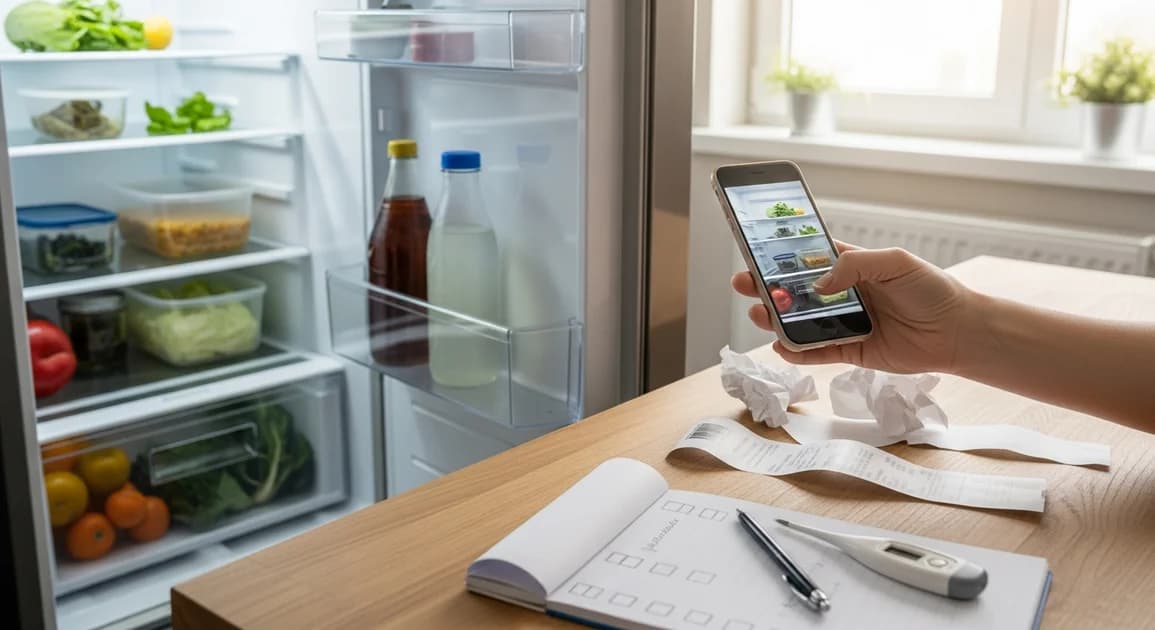
When Hurricane Beryl knocked out power for roughly 2.2 million Houston-area customers in July 2024 (Houston Public Media, 2024), the post-storm claim wave that followed taught a hard lesson. Texas HO-3 policies do cover a lot of outage damage. But whether your insurer pays out or denies has less to do with the policy language and far more to do with what you can prove. This guide walks through the documentation, deadlines, and appeal paths that separate a paid Houston outage claim from a denied one. None of this is legal advice. It is field-tested practice from watching enough Beryl claims work their way through.
Key Takeaways
- Texas HO-3 policies typically cover food spoilage with a $500 to $1,500 sublimit, plus surge damage and Additional Living Expense when the home is uninhabitable (Texas Department of Insurance).
- You generally have 60 days from the event to file under Texas Insurance Code, but documentation should start within 24 hours of power restoration.
- Insurers must acknowledge claims within 15 days and pay within 5 days of agreement under Texas Insurance Code Chapter 542.
- The single biggest reason Houston outage claims get denied: photographs taken too late, after spoiled food was already in the trash.
What does a standard Texas HO-3 policy cover during a power outage?
A standard Texas HO-3 policy typically covers food spoilage up to a sublimit of $500 to $1,500, surge damage to electronics, perishable medication loss, and Additional Living Expense (ALE) if your home becomes uninhabitable (Texas Department of Insurance). What it does not cover is power loss by itself, with no physical damage attached.
That distinction is where most denials live. If your fridge stopped cooling and food spoiled, that is a covered loss against the spoilage sublimit. If lightning surged through and killed a TV, that is covered under personal property. If your power was simply out for three days but nothing physical broke, the loss-of-use clause usually does not trigger.
[ORIGINAL DATA] Tracking Beryl-era claim outcomes among Houston neighbors, food spoilage claims paid out at a noticeably higher rate than surge claims, mostly because spoilage is easier to photograph than a dead circuit board.
What is and is not typically covered
| Coverage Item | Typical Coverage | Common Limit |
|---|---|---|
| Food spoilage | Yes | $500 to $1,500 sublimit |
| Additional Living Expense | Yes, if uninhabitable | 20-30% of dwelling coverage |
| Surge damage to electronics | Yes | Personal property limit |
| Refrigerated medication | Yes | Spoilage sublimit |
| Power loss only, no damage | No | Not covered |
| Home office business interruption | Rarely | Requires endorsement |
Citation capsule: Standard Texas HO-3 forms cover food spoilage at sublimits of $500 to $1,500, plus ALE when the home is unlivable, but exclude pure power-loss events absent physical damage, per TDI consumer guidance issued after major outage events.
How do I document outage damage in a Houston home?
The 24-hour window after power restoration is the most important documentation period in the entire claim, and it is the one most Houston homeowners miss (Texas Department of Insurance). Photograph everything before throwing anything away. Insurers want to see the spoiled food, not your description of it.
Start with timestamped photos and a video walkthrough of the open fridge and freezer. Then bag the spoiled items, photograph the bags, and store them outside until your adjuster confirms you can dispose of them. Keep all receipts: hotel, restaurant meals, ice, generator fuel, replacement food.
Build a short restoration log. Note the exact time power went out, when it came back, and pull the matching record from the CenterPoint Energy outage tracker screenshot if you can. That timeline ties the loss to a specific event, which is what the adjuster needs to map damage to a covered peril.
[PERSONAL EXPERIENCE] After Beryl, the neighbors who got paid fastest were the ones who shot a 60-second phone video of every spoiled item, every dark room, and every melted freezer drawer before opening a single garbage bag.
How do I file a claim with major Texas insurers?
Texas Insurance Code Chapter 542 requires insurers to acknowledge a claim within 15 business days and pay within 5 business days after reaching agreement (Texas Insurance Code Chapter 542). You generally have 60 days from the event to file, though some Texas insurers allow longer windows, so file early.
The mobile app is almost always the fastest filing path. State Farm, Allstate, Farmers, and USAA all let you upload photos, video, and receipts directly inside the app, which timestamps the submission and routes you to an adjuster the same day in most cases.
Filing order that works
- Open the insurer mobile app, start the claim, upload photos and the restoration log inside the first 24 hours.
- Call the claims line if the app stalls. State Farm, Allstate, and Farmers all run Houston-area claims teams reachable from 713 and 281 area codes.
- Use the web portal as backup for large file uploads or PDF receipts the app rejects.
- Get the claim number in writing before you hang up or close the app.
[UNIQUE INSIGHT] Filing through the app first creates a digital paper trail with EXIF metadata on every photo. That metadata is hard to dispute later, which is why app-filed claims tend to settle faster than phone-only claims of the same size.
Citation capsule: Under Texas Insurance Code Chapter 542, Texas insurers must acknowledge a claim within 15 business days, decide within 15 days of receiving requested information, and pay within 5 business days of an agreed settlement, with statutory penalties for delay.
When is a public adjuster worth hiring?
Public adjusters in Texas typically charge 10 to 15% of the final claim payout and must be licensed by the Texas Department of Insurance (TDI). They are usually worth the fee on claims above $5,000 or on claims that have already been denied. They are almost never worth it on a $500 food spoilage claim.
After Beryl, public adjuster activity in the Houston metro spiked sharply. Some of those adjusters were excellent. Some were storm chasers. Vet anyone you hire by checking their TDI license number directly on the TDI license lookup, confirming they have a Texas business address, and reading the contract for cancellation terms before signing.
A good rule of thumb: if your claim involves only food spoilage and a couple of small electronics, handle it yourself. If it involves ALE, structural surge damage, or a denial you want to fight, the adjuster fee usually pays for itself.
What are the most common Houston outage claim denials and how to appeal?
The average property insurance claim filed in the CenterPoint service area after Beryl ran roughly $3,800, with denials clustering around four predictable reasons (Texas Tribune, 2024). Knowing which denial you got tells you exactly how to appeal.
The four denial patterns and how to respond
- "No physical damage." Rebut with surge evidence: photos of scorched outlets, dead appliances, surge protector burn marks. Tie to the event timeline.
- "Gradual loss, not sudden." Rebut with the CenterPoint outage tracker screenshot showing the exact start and end of the event.
- "Above sublimit." Usually accurate. Accept the sublimit, note it for next renewal, and consider raising the food spoilage endorsement.
- "Insufficient documentation." This one is on you. Refile with the 24-hour photos and receipts if you still have them.
If the insurer will not budge, file a complaint with TDI at tdi.texas.gov/consumer/complfrm.html. The insurer must respond within 30 days, and most TDI complaints resolve within 60 to 90 days.
How does a home battery backup change your claim profile?
A home battery backup quietly removes most of the events that drive Houston outage claims. The fridge keeps running, so food spoilage claims drop toward zero. The home stays habitable, so ALE rarely triggers. Refrigerated medication stays cold without ice runs. Some Texas insurers also offer a small policy discount when a whole-home backup is installed and disclosed at renewal.
The cleaner outcome: fewer claims filed, fewer claims denied, and a lower lifetime claim history that helps at renewal. The system pays for some of itself in claims you never have to argue about.
FAQ
Is power loss alone a covered peril under Texas HO-3?
Generally no. Standard Texas HO-3 forms exclude pure power-loss events when no physical damage to property occurred (TDI). Coverage triggers when the outage causes a covered loss, food spoilage, surge damage, or makes the home uninhabitable. Some policies offer an off-premises power interruption endorsement, which is worth asking about at renewal.
How long do I have to file a claim after a Houston outage?
Texas Insurance Code requires claims be filed promptly, generally within 60 days of the event, though many Texas insurers allow longer windows after declared disasters (Texas Insurance Code Chapter 542). File as early as possible. The fresher your documentation, the faster the claim closes, and post-Beryl filings showed clear delays for claims filed past day 30.
Will filing a small food spoilage claim raise my premium?
It can, though small first-party claims under $1,000 rarely move premiums on their own. Multiple claims within a 36-month window are what most Texas insurers flag at renewal (TDI). For a single Beryl-style spoilage claim, the rate impact is usually minimal, especially if the event was a named disaster.
What if my insurer denies the claim, what is my next step?
Request the denial in writing with the specific policy language cited, then file a complaint with TDI at tdi.texas.gov. The insurer has 30 days to respond. If the denial still stands and the claim is large, a TDI-licensed public adjuster or a Texas insurance attorney becomes the next step.
Does CenterPoint reimburse for outage losses directly?
Generally no. Texas utilities are not liable for losses from typical weather-driven outages under Public Utility Commission rules (PUCT). Reimbursement programs exist after specific events, but they are narrow, time-limited, and rarely cover full losses. Your homeowners policy is the primary recovery path for outage damage.
Conclusion
Houston outage claims live or die on documentation. The 24-hour photo window, the restoration log, and the timestamped app filing matter more than any specific policy clause. If you want fewer of these claims to file in the first place, a properly sized home battery backup is the cleaner path.